By Tiffany Wood, Fort Leonard Wood Public Affairs
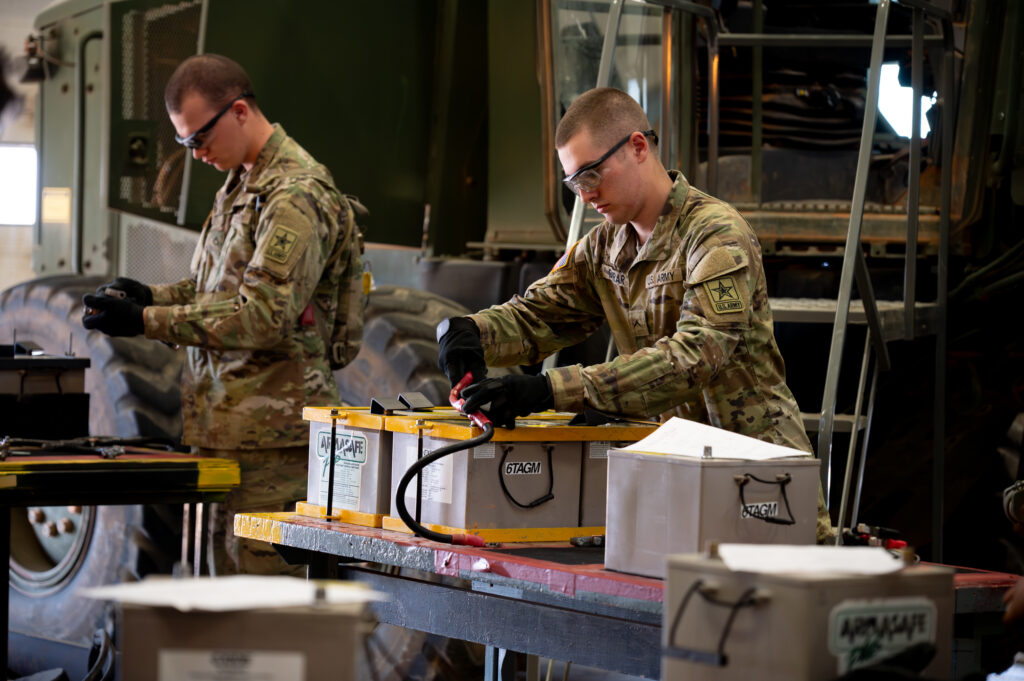
FORT LEONARD WOOD, Mo. (May 1, 2026) – More than 60 unit supply specialists, or 92Ys, from organizations across the U.S. Army Maneuver Support Center of Excellence completed the Unit Supply Manager Course held April 20-23, 2026, on Fort Leonard Wood.
A mobile Command, Maintenance Evaluation and Training team from Fort Riley, Kansas, taught the 40-hour, certificate producing course, which according to Maj. Brandon Kuegler, 14th Military Police Brigade S4, provided Soldiers and leaders with a practical, hands-on understanding of the Global Combat Support System-Army supply operations.
GCSS‑Army is the Army’s enterprise resource planning system used to manage supply, maintenance, property accountability, and financials across the force. It consolidates multiple legacy systems into one unified platform, said Adam Wright, a logistics management specialist with MSCoE
“In layman’s terms,” Wright said, “GCSS-Army is the Army Property System of Record for formal property accountability.The internet-based system generates monthly hand receipts, sensitive items reports and cyclic inventories in accordance with parameters established by the accountable property officer.”
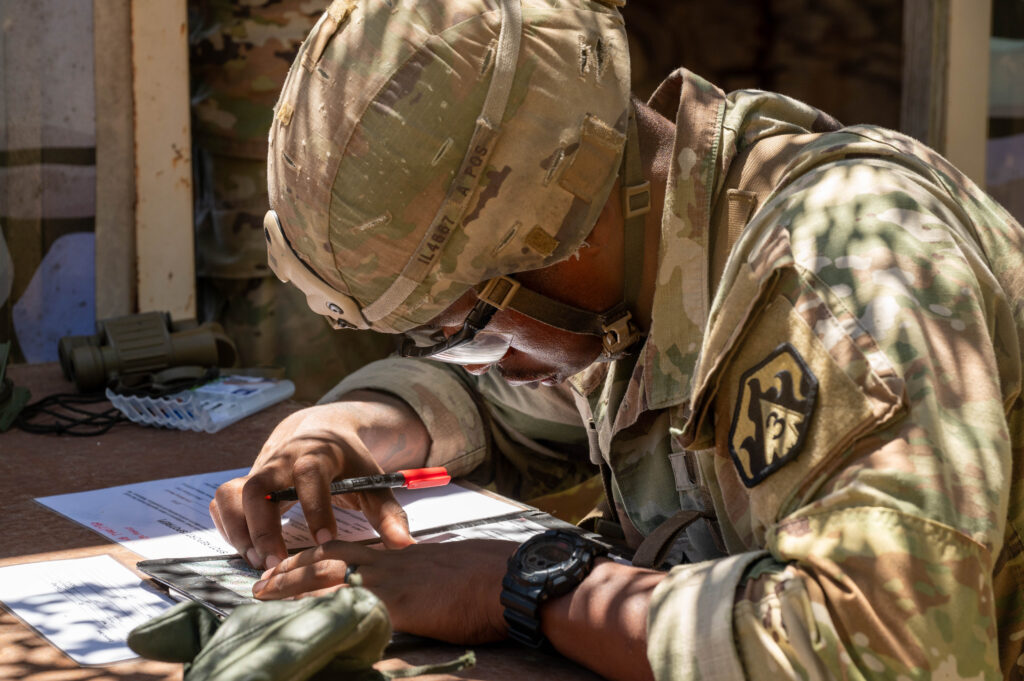
The multi-day training also focused on daily supply functions, accountability, and the transaction codes, also known as T-codes, required to support unit readiness and accurate logistics management.
“This type of training is extremely valuable and is very in-depth for 92Y Supply Specialists,” Kuegler said. “The COMET team instructors are highly trained individuals who are subject matter experts in supply operations.”
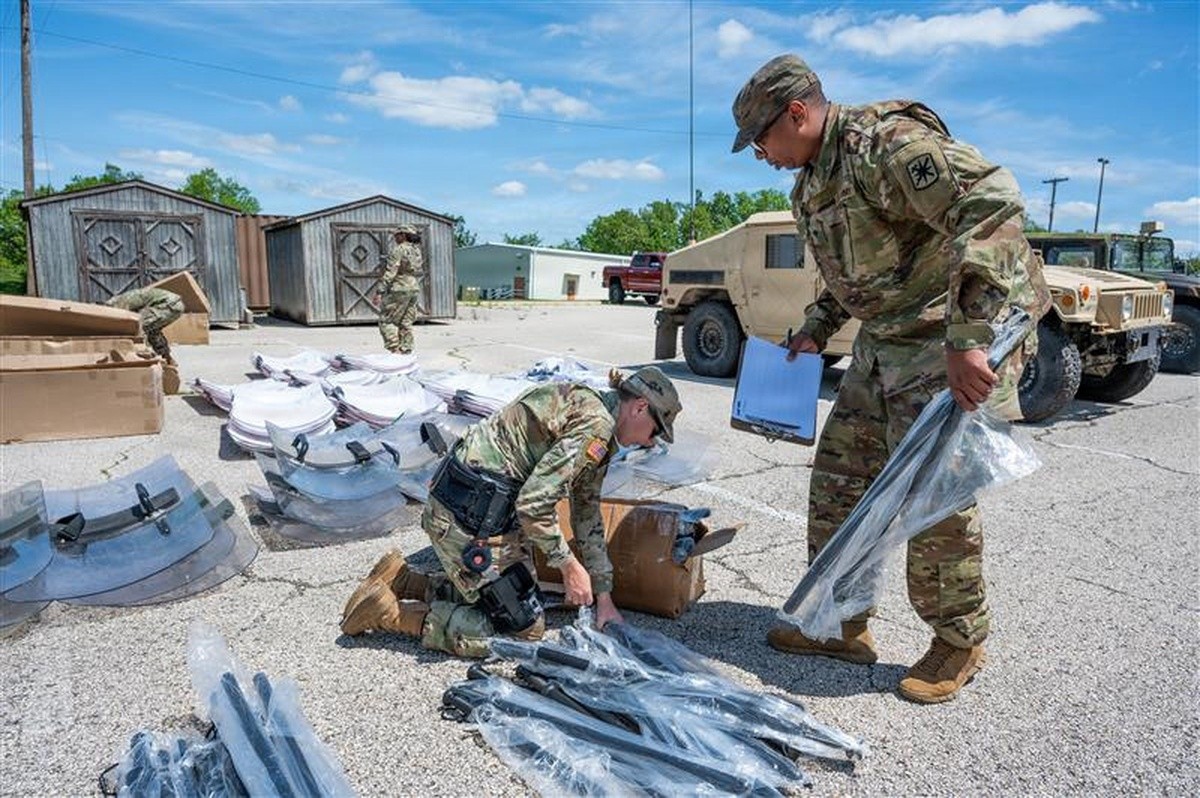
According to Kuegler, 92Ys are responsible for managing, accounting for and distributing a unit’s supplies, equipment and weapons. They handle the entire lifecycle of Army property, including receiving, storing, inventorying and issuing items to Soldiers while managing the commander’s property book.
“(92Y’s) purpose is to evaluate, train, and mentor units on maintenance, supply operations, and equipment readiness,” he said.
The workload for a unit supply specialist can be demanding, which is why additional training is crucial, Wright said.
“Due to manning, several junior Soldiers are asked to perform supply sergeant duties fresh out of (Advanced Individual Training) and junior E5s are working as battalion S4 noncommissioned officers in charge,” he said. “This training is important to every unit and will help build the knowledge and skills among our junior 92Ys.”
Those factors also motivated Kuegler to lead the effort to bring the COMET team to Fort Leonard Wood.
“It has been over a decade since a COMET team has conducted training here at Fort Leonard Wood,” Kuegler said. “I have been through a COMET course at Fort Bliss, Texas, and it was very useful and applicable as a logistician. Since they rarely come to training installations, I wanted our 92Ys to get some top-tier training to sharpen their skills and prepare them for their next unit.”
One Soldier who took advantage of this “rare opportunity” is Sgt. Jordan Suarez, a new supply sergeant with the Combat Engineer Skills Division. He said the training provided “vital” tools necessary for a 92Y to be effective.
“The course is extremely valuable to any service member or Department of War civilian who must maintain accountability of their unit’s property at the workplace,” Suarez said. “I’m learning much needed skills for navigating through the complex program GCSS-Army, and I’m building a better understanding of the verbiage and terminology for GCSS-Army.”
Having this training available not only benefits unit supply specialists, but units as well, Suarez said.
“I’m learning easier ways to accomplish what my commanders are expecting of me within my unit’s standard operating procedures and battle rhythm in order to accomplish the unit’s mission,” he said. “Overall, it will keep units mission capable.”
Plans are being developed to bring the COMET team back to Fort Leonard Wood on a semi-annual basis to conduct training on other systems, such as the Electronic Financial Liability Investigation of Property Loss, or eFLIPL, and the Decision Support Tool.
-30-
About Fort Leonard Wood
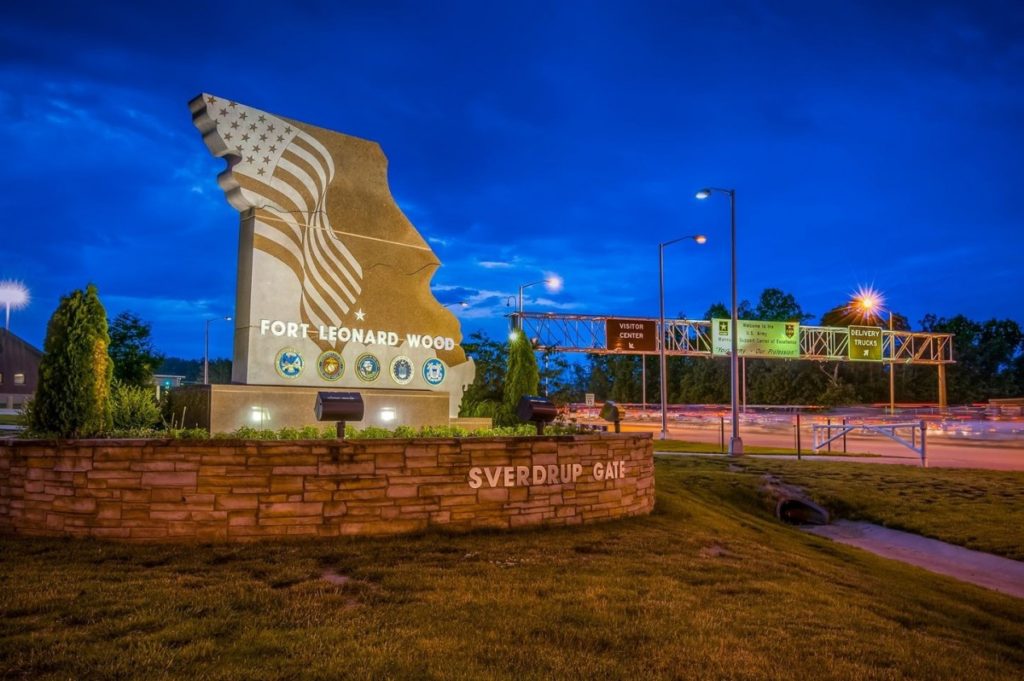
Fort Leonard Wood is a thriving and prosperous installation that has evolved from a small basic training post more than 80 years ago to a premier Army Center of Excellence that trains nearly 80,000 military and civilians each year.
Fort Leonard Wood is home to the U.S Army Maneuver Support Center of Excellence and three U.S. Army schools: the U.S. Army Engineer School; U.S. Army Chemical, Biological, Radiological and Nuclear School; and the U.S. Army Military Police School. In addition to training engineer, CBRN and military police specialties for the Army, Fort Leonard Wood also provides gender-integrated in-processing and Basic Combat Training for new Soldiers.
Fort Leonard Wood also hosts and trains with the largest Marine Corps Detachment and Air Force Squadron on any Army installation as well as a large Navy construction detachment.